How Is Rye Whiskey Made and Aged for Distinct Flavor

From grain selection to aging techniques, every step in the production process contributes to the final profile that distinguishes rye whiskey from other spirits.
The Basics of Rye Whiskey
What Is Rye Whiskey?
Rye whiskey is a type of whiskey made primarily from rye grain. In the United States, for example, a whiskey must contain at least 51% rye to qualify as rye whiskey. The remaining grains typically include corn and malted barley, which add sweetness and balance to the spiciness of rye.
Flavor Profile
Rye whiskey is known for its bold, spicy, and sometimes peppery notes. It often carries hints of fruit, vanilla, and caramel, making it versatile for both cocktails and sipping neat.
The Production Process
Selecting and Milling the Grains
The quality of rye whiskey begins with grain selection. Distillers choose rye with the right balance of starch and flavor compounds. The grain is milled into a coarse powder to prepare it for mashing.
Mashing and Fermentation
The milled grains are mixed with water and heated to convert starches into fermentable sugars. Yeast is then added to ferment the sugars into alcohol. Rye imparts a spicier flavor than corn-based whiskeys during fermentation, which contributes to its distinct character.
Distillation
The fermented mash is distilled to separate alcohol from water and other components. Rye whiskey is usually distilled in column or pot stills, which influence the intensity and purity of flavors. Distillation concentrates the alcohol while capturing the essential rye notes.
Aging and Maturation
Barrel Selection
Rye whiskey is aged in new charred oak barrels, which impart flavors such as vanilla, caramel, and oak. The quality and char level of the barrels play a significant role in the final taste.
Aging Duration
Most rye whiskeys are aged for at least two years, though premium varieties may mature for longer. During aging, the whiskey interacts with the wood, absorbing flavors and developing complexity. Temperature fluctuations in warehouses expand and contract the wood, enhancing this interaction.
Environmental Factors
The location and climate of the aging warehouse also affect flavor development. Cooler climates may produce a smoother, more balanced whiskey, while warmer conditions intensify spice and wood notes.
Blending and Bottling
Single Barrel vs. Blended Rye
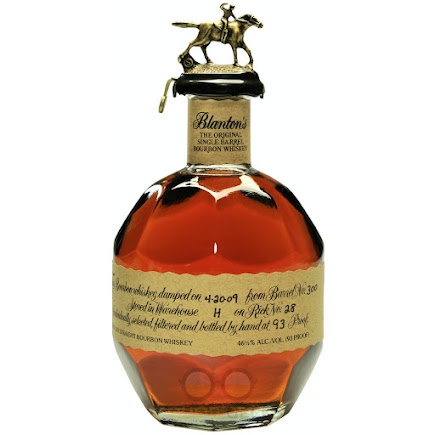
Some distilleries bottle single-barrel rye whiskey, showcasing the unique characteristics of each barrel. Others blend barrels to achieve a consistent flavor profile. This is where blended whiskey often comes into play, as it may combine rye with other whiskey types to balance spice and sweetness.
Proof and Bottling
After aging, the whiskey may be diluted with water to reach the desired alcohol content, typically between 40–50% ABV. The final product is then filtered and bottled, ready to be enjoyed.
Tips for Enjoying Rye Whiskey
Neat or On the Rocks: Savor the complexity and spiciness by tasting rye whiskey neat or with a splash of water.
Classic Cocktails: Rye whiskey is a key ingredient in cocktails such as the Manhattan, Old Fashioned, and Sazerac.
Food Pairings: Pair rye whiskey with smoked meats, rich cheeses, or dark chocolate to complement its bold flavor.
Conclusion
Rye whiskey’s distinct flavor comes from a combination of rye-dominant grains, careful distillation, and precise aging in charred oak barrels. Each step—from mashing and fermentation to barrel selection and blending—shapes its bold, spicy, and nuanced profile. For those exploring the world of whiskey, blended whiskey that includes rye offers a versatile option with balanced complexity, making it perfect for cocktails or sipping straight. Understanding the craftsmanship behind rye whiskey enhances appreciation for its unique taste and enduring appeal.


Comments
Post a Comment